


Mastering the Art of Filmmaking: Tips from My Journey
- Robert Gobelet
- Sep 27, 2024
- 4 min read
As a filmmaker who’s worn many hats, actor, writer, director, editor, cinematographer, and producer, I’ve learned that filmmaking is a dynamic blend of creative vision, technical skill, and effective collaboration. With over 60 movies, 6 TV shows, and five books under my belt, I want to share some of the key lessons I’ve picked up throughout my journey in the industry. Whether you're just starting out or looking to refine your skills, these insights can help you bring your stories to life.
1. Master the Basics of Cinematography
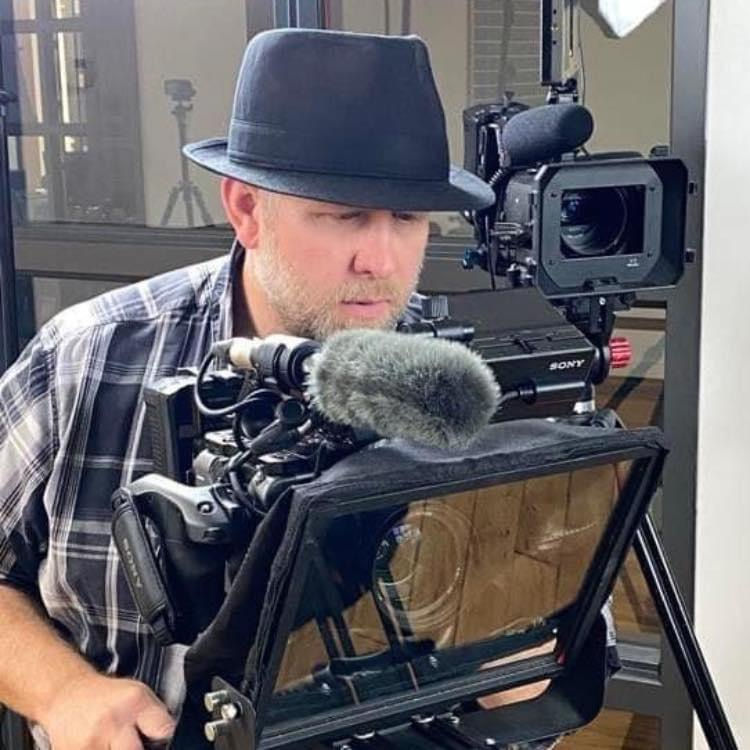
One of the most important skills any filmmaker can develop is the ability to tell a story visually. As a cinematographer, I’ve worked with a range of camera systems, from RED to ARRI and Sony. My personal favorite and primary camera that I use and operate is the Sony FX6. Each system has its own strengths, but the key is learning to maximize what you have. My preferred style is to shoot in S-Cinetone, which allows me to capture rich color quality directly in-camera with minimal post-production adjustments. If you're still learning, start with basic composition, framing, and lighting. Even natural light, when used effectively, can create stunning visuals without the need for expensive setups.
Tip: Don’t be afraid to experiment with lighting and camera angles. Practice using available light and playing with shadows to add depth and dimension to your shots.
2. Develop Your Directing Voice
Directing isn't just about telling actors what to do, it's about creating an environment where everyone feels empowered to deliver their best work. From indie projects to larger productions, I’ve found that communication is key. When I directed a mini-documentary, I focused on making sure everyone involved, from the talent to the crew, understood the emotional beats of the story we were telling. The more collaborative the environment, the better the final product.
Tip: Approach each scene with a clear vision but be open to input. Great ideas often come from the collaboration between director, actors, and crew.
3. Editing: Your Story’s Second Draft
Editing is where the magic happens. I’ve spent countless hours in the editing room, shaping raw footage into a coherent, compelling story. When I worked on a documentary about the police department, I realized that editing isn’t just about cutting scenes, it's about finding the rhythm of the narrative. The timing of each cut, the music choices, and even silence play critical roles in shaping the viewer’s experience.
Tip: Be ruthless in the editing room. If a scene or shot doesn’t serve the story, don’t be afraid to cut it, even if it’s your favorite.
4. Storytelling Is Everything
Before anything else, you must be a storyteller. Whether you’re writing a feature-length film or producing a short documentary, the story has to resonate. In my career, I’ve worked on everything from horror movies like Fields of Fear to short films and radio plays. No matter the genre, the core of every project is a well-told story. I draw on my own experiences, such as my time in law enforcement and life in rural Tennessee—to give my stories depth and authenticity.
Tip: Write what you know, and don’t shy away from drawing on personal experiences to enrich your stories. Authenticity connects with audiences.
5. The Importance of Flexibility and Problem-Solving
In the world of independent filmmaking, things rarely go as planned. I’ve had to pivot quickly on numerous occasions, whether it's adjusting a location on the fly or dealing with unforeseen budget constraints. During my career, I’ve found that the ability to adapt is one of the most crucial traits a filmmaker can possess. For example, on a recent commercial shoot for a Mexican restaurant, we had to rework the entire lighting setup due to unexpected weather changes.
Tip: Always have a backup plan, and be ready to solve problems creatively when things go wrong. Flexibility will save your project.
6. Build Relationships and Network
Filmmaking is a collaborative art form. I’ve been fortunate to be part of many filmmaking communities, including TN FilmCommUNITY and The Adviser, where I connect with fellow filmmakers, share advice, and learn from others. I’ve also worked on countless projects that started with a simple conversation or networking event. Building relationships with other professionals can open doors to new opportunities and collaborations.
Tip: Join filmmaking communities, attend industry events, and don’t be afraid to reach out to fellow filmmakers. You never know who you might collaborate with next.
7. Be Persistent and Keep Learning
The filmmaking journey is rarely easy, but persistence is key. I’ve had my share of challenges, including setbacks like a failed western film project in 2020. However, each obstacle has been a learning experience, pushing me to grow and evolve. After graduating from Full Sail University with a degree in Digital Cinematography, I’ve continued to hone my skills, always looking for ways to improve and expand my craft.
Tip: Keep learning and stay open to new techniques, technologies, and ideas. The industry is always evolving, and so should you.
Conclusion
Filmmaking is a journey that demands passion, creativity, and perseverance. With over a decade in the industry, I’ve learned that every project, no matter how big or small, is an opportunity to grow as a filmmaker. Whether you’re just starting out or looking to take your skills to the next level, I hope these insights help guide you toward creating work that resonates with audiences and fulfills your creative vision.
Feel free to reach out, I’d love to connect and collaborate with fellow filmmakers on new projects! Love you guys! God Bless! Live with Passion!


Comments